
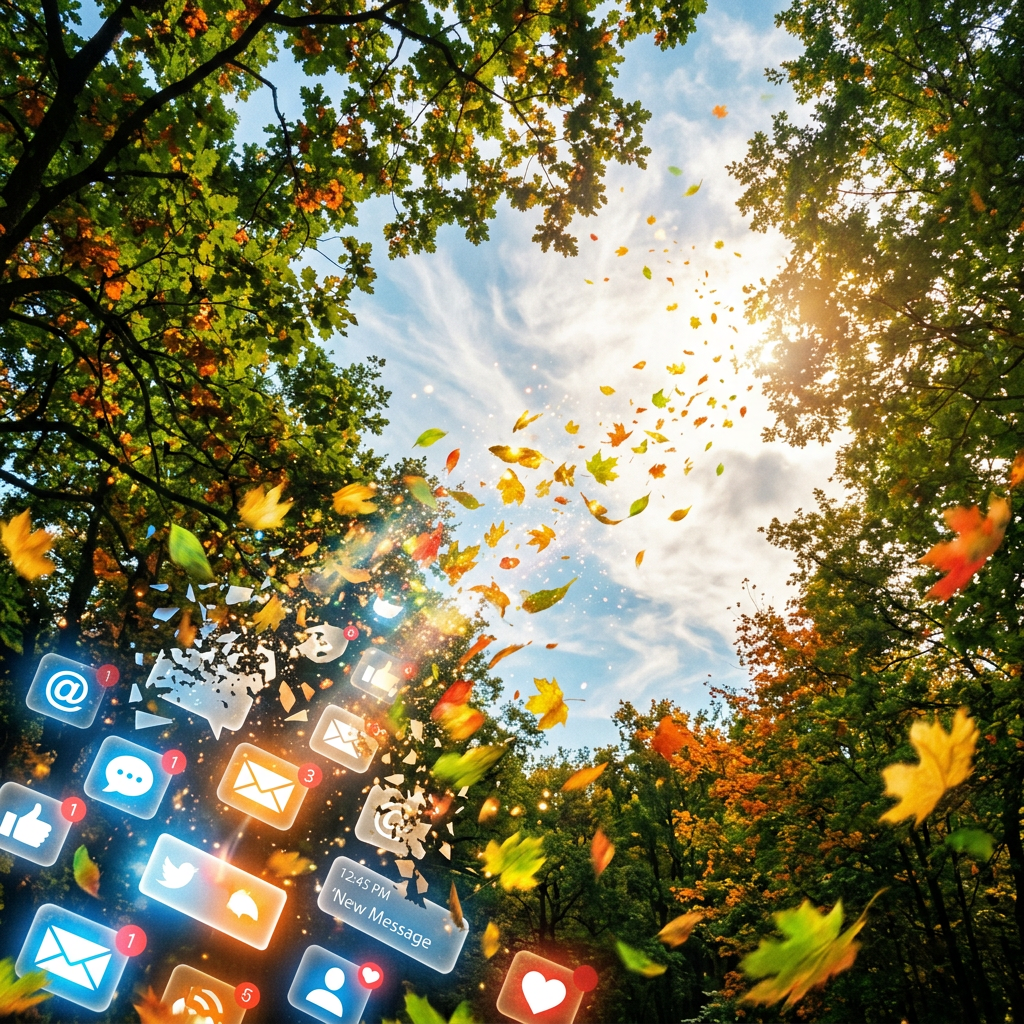
We wake up to notifications. We message friends throughout the day. We scroll through hundreds of faces, opinions, jokes and stories before we even get out of bed.
So why do so many of us still feel lonely?
That is the paradox of modern wellbeing: we have more ways to connect than any generation before us, but connection isn’t necessarily the same thing as belonging.
The hidden cost of always being connected
Social media isn’t inherently bad. It can help people maintain friendships, find communities and feel less alone. But constant digital interaction can also become a substitute for deeper connection.
A recent Australian study found that adolescents who reported more than two hours of social-media use per day had higher risks of depressive symptoms and poorer wellbeing than those reporting less than an hour.
The issue isn’t simply screen time.
It’s what happens when scrolling replaces talking, watching replaces participating, and online interaction replaces the small moments that make us feel genuinely known.
We’re craving something technology can’t quite provide
A like is not the same as encouragement.
A comment isn’t necessarily the same as a conversation.
And hundreds of followers don’t automatically translate into having someone you can call when life falls apart.
Australia’s latest wellbeing data continues to identify loneliness and social isolation as important concerns. In 2024, people aged 35–44 had the highest reported rate of loneliness among Australian age groups, at 17%.
This doesn’t mean we need to abandon technology.
It means we may need to become more intentional about how we use it.
The new wellbeing trend: choosing real life again
Perhaps one of the most interesting wellbeing trends emerging in 2026 isn’t another supplement, fitness challenge or productivity hack.
It’s reconnection.
Going for a walk with someone instead of sending a message.
Having dinner without phones on the table.
Joining a local club.
Calling a friend rather than silently checking their Instagram.
Spending time in places where conversations happen naturally.
Recent cultural trends suggest that younger people, in particular, are showing renewed interest in shared, offline experiences after years of pandemic isolation and digital-heavy social lives.
A simple wellbeing experiment
For the next seven days, try this:
Replace one digital interaction each day with a real-world one.
Send fewer messages and make one phone call.
Scroll less and take a walk with someone.
Watch fewer stories and ask a friend how they are actually doing.
Eat one meal without your phone.
You don’t need to delete every app or disappear from the internet.
The goal isn’t digital perfection.
The goal is to create space for the kind of connection that makes us feel seen, heard and part of something.
Maybe wellbeing isn’t about adding more
The wellness industry often tells us that feeling better requires adding something: another habit, another app, another routine, another product.
But sometimes wellbeing is about removing the noise.
Removing the unnecessary notifications.
Removing the pressure to constantly respond.
Removing the comparison.
And making room for something much simpler: people, presence and genuine connection.
Because in a world where we’re constantly connected, perhaps one of the most powerful forms of self-care is learning how to be truly present.
 soulmend991
Leave a comment